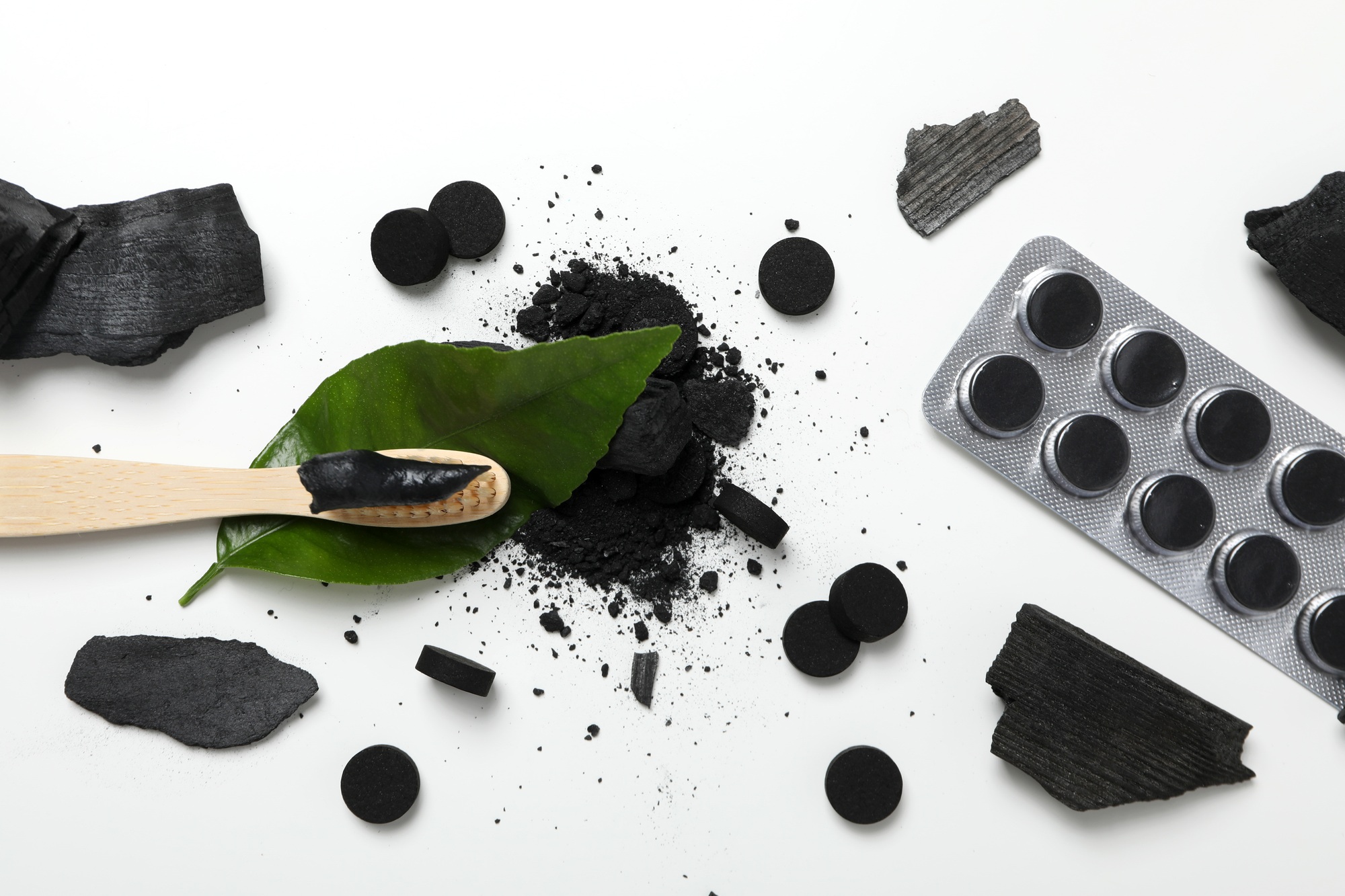
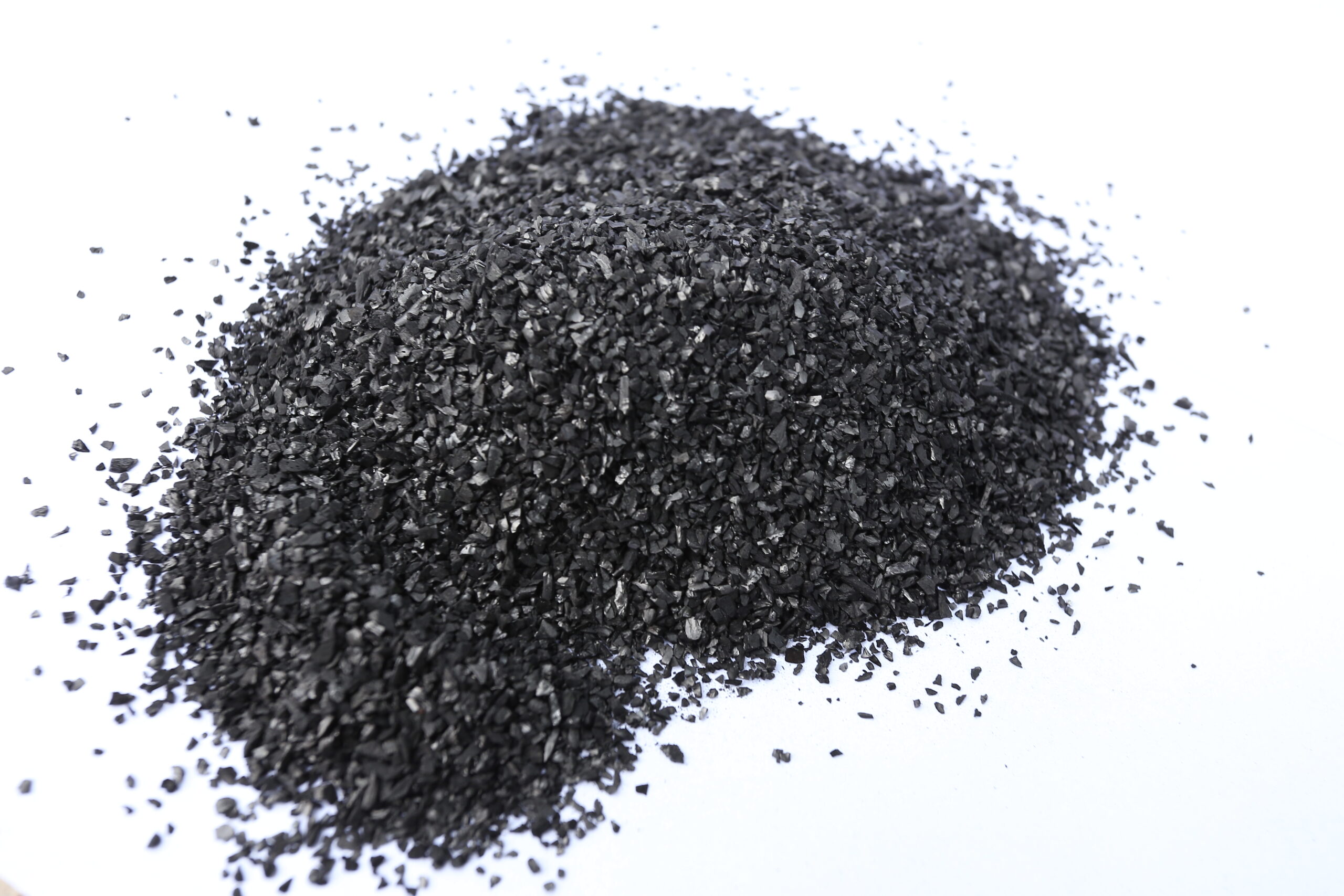
Activated carbon material is amorphous carbon obtained through processing. It has a large specific surface area and has good adsorption capacity for inorganic or organic substances in gases and solutions and colloidal particles. Activated carbon materials mainly include activated carbon (AcTIvated Carbon, AC) and activated carbon fibers (AcTIvated Carbon Fibers, ACF). As an adsorbent with excellent performance, activated carbon material is mainly determined by its unique adsorption surface structure characteristics and surface chemical properties. Activated carbon materials have stable chemical properties, high mechanical strength, acid resistance, alkali resistance, heat resistance, insoluble in water and organic solvents, and can be recycled. They have been widely used in various fields such as chemical industry, environmental protection, food processing, metallurgy, drug refining, and military chemical protection. At present, modified activated carbon materials are widely used in sewage treatment, air pollution prevention and control, and other fields, and are increasingly showing their attractive prospects in the treatment of environmental pollution.
More than 80%-90% of activated carbon is composed of carbon elements, which is also the reason why activated carbon is a hydrophobic adsorbent. In addition to carbon, it also contains two types of admixtures: one is chemically combined elements, mainly oxygen and hydrogen, which remain in the carbon due to incomplete carbonization, or during the activation process, foreign non-carbon elements are chemically combined with the surface of activated carbon, such as when activated with water vapor, the surface of activated carbon is oxidized or oxidized by water vapor; the other type of admixture is ash, which is the inorganic part of activated carbon.
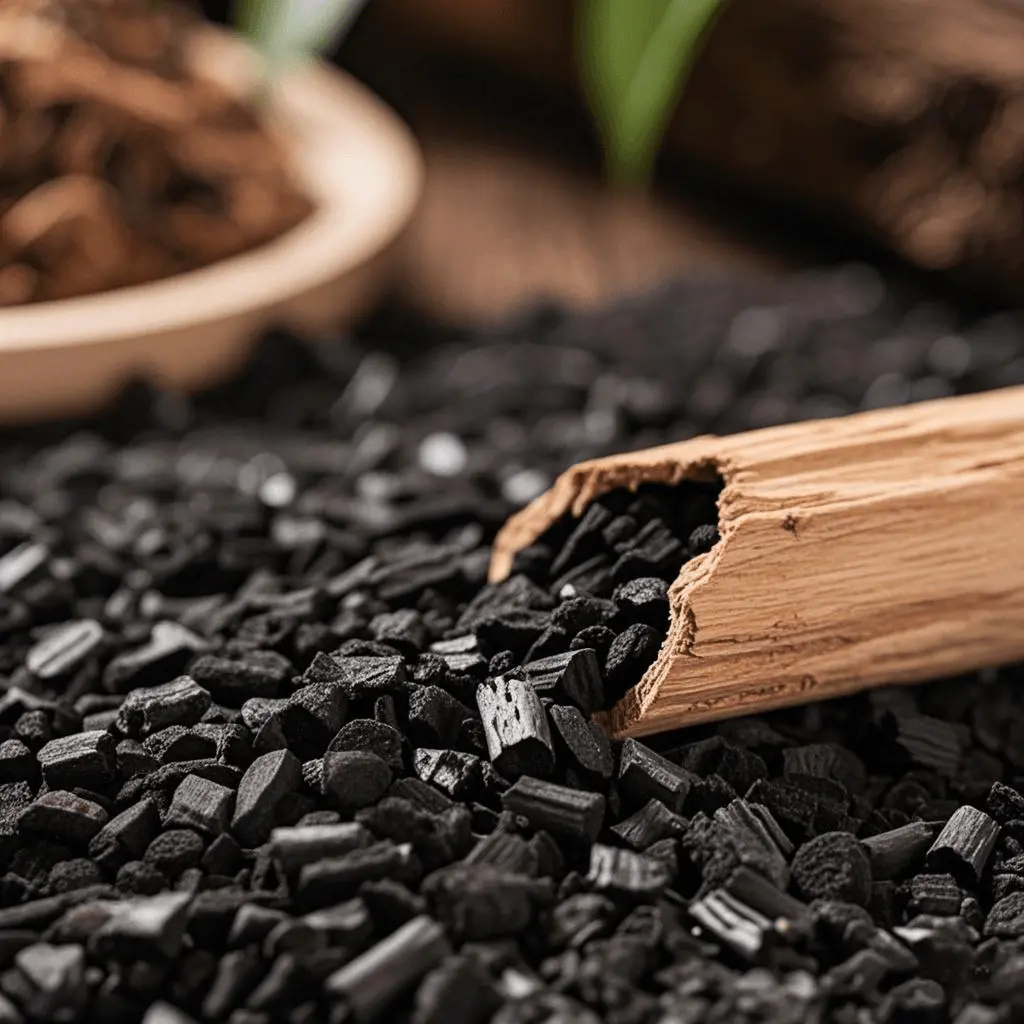
The main raw materials of activated carbon can be almost all carbon-rich organic materials, such as coal, wood, fruit shells, coconut shells, walnut shells, apricot shells, jujube shells, etc. These carbon-containing materials are converted into activated carbon by pyrolysis at high temperature and certain pressure in the activation furnace. During this activation process, a huge surface area and a complex pore structure are gradually formed, and the so-called adsorption process is carried out in and on these pores. The size of the pores in activated carbon has a selective adsorption effect on the adsorbate, which is because large molecules cannot enter the pore size of activated carbon that is smaller than its pores. Activated carbon is a hydrophobic adsorbent made from carbon-based materials as raw materials, through high-temperature carbonization and activation. Activated carbon contains a large number of micropores and has an enormous surface area. It can effectively remove color and odor, and can remove most organic pollutants and certain inorganic substances in secondary effluent, including some toxic heavy metals.