1. Home
  2. »
  3. Product Knowledge
  4. »
  5. What are t…

What are the classifications of activated carbon?

I. By Raw Material Source

  1. Wood-based activated carbon
  2. Animal bone/blood-based activated carbon
  3. Mineral-based activated carbon
  4. Other raw material-based activated carbon
  5. Regenerated activated carbon

II. By Manufacturing Method:

  1. Chemically activated carbon (Chemical carbon)
  2. Physically activated carbon (Physical carbon)
  3. Chemical-physical or Physicochemical activated carbon

III. By Appearance/Shape:

  1. Powdered activated carbon
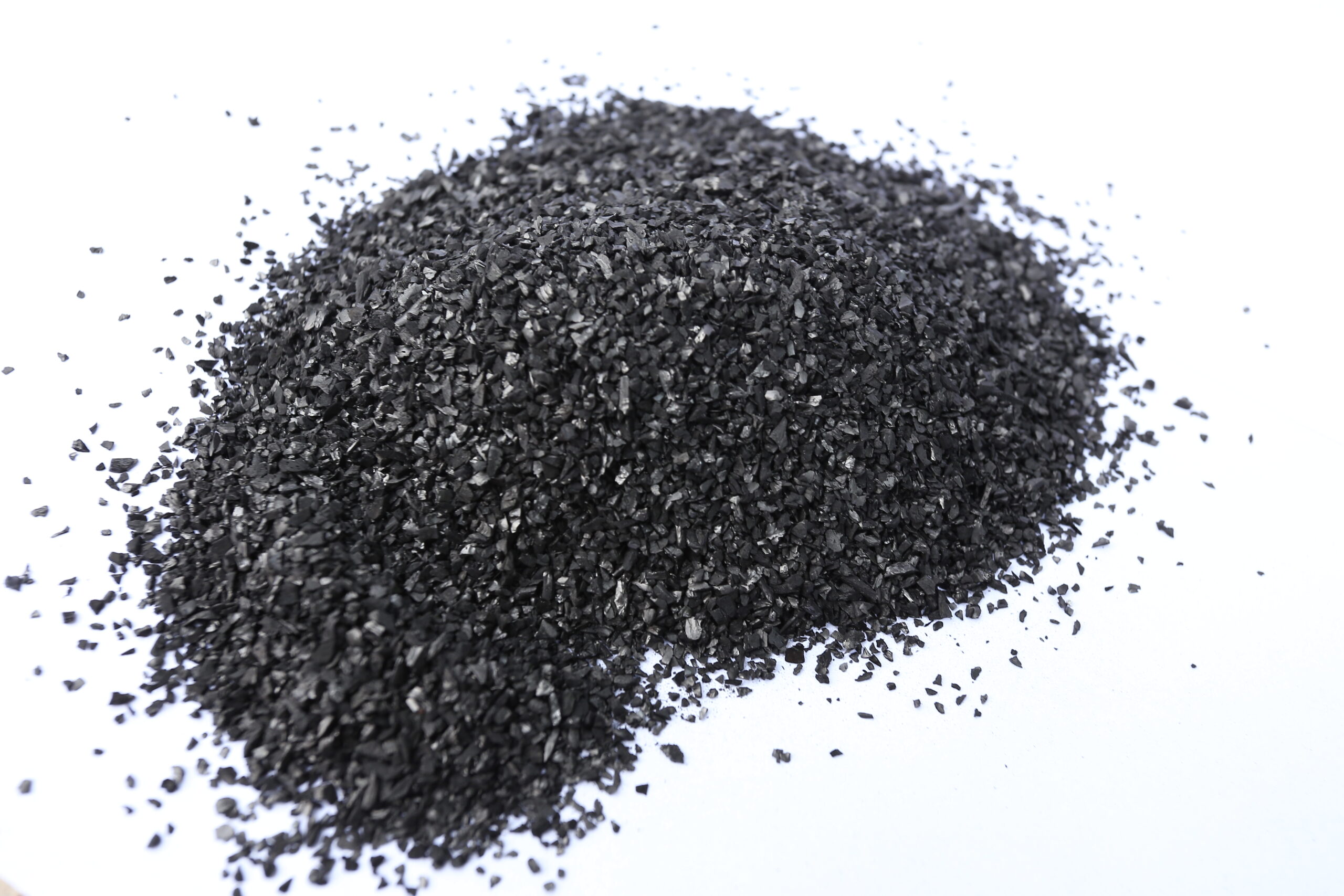
  2. Granular activated carbon
  3. Amorphous granular activated carbon
  4. Cylindrical activated carbon
  5. Spherical activated carbon
  6. Other-shaped activated carbon

IV. By Pore Size:

  1. Macropores: Pore diameter > 1000 Å
  2. Mesopores (Transitional pores): Pore diameter 20–1000 Å
  3. Micropores: Pore diameter < 20 Å
    (The surface area of activated carbon is primarily provided by micropores.)

V. By Material Type:

  1. Categories by raw material:
  • Wood-based activated carbon: Made from wood chips, charcoal, etc.
  • Shell-based activated carbon: Made from coconut shells, walnut shells, apricot shells, etc.
  • Coal-based activated carbon: Made from lignite, peat, bituminous coal, anthracite, etc.
  • Petroleum-based activated carbon: E.g., asphalt-based spherical activated carbon
  • Regenerated activated carbon: Reprocessed from used activated carbon through reactivation.

Note:

  1. Å (Angstrom) = 10⁻¹⁰ meters
  2. Classification systems may vary slightly across industries or standards.
  3. The combination methods (III.3) typically involve sequential or integrated chemical-physical activation processes.

Leave us a message

Get a quote now