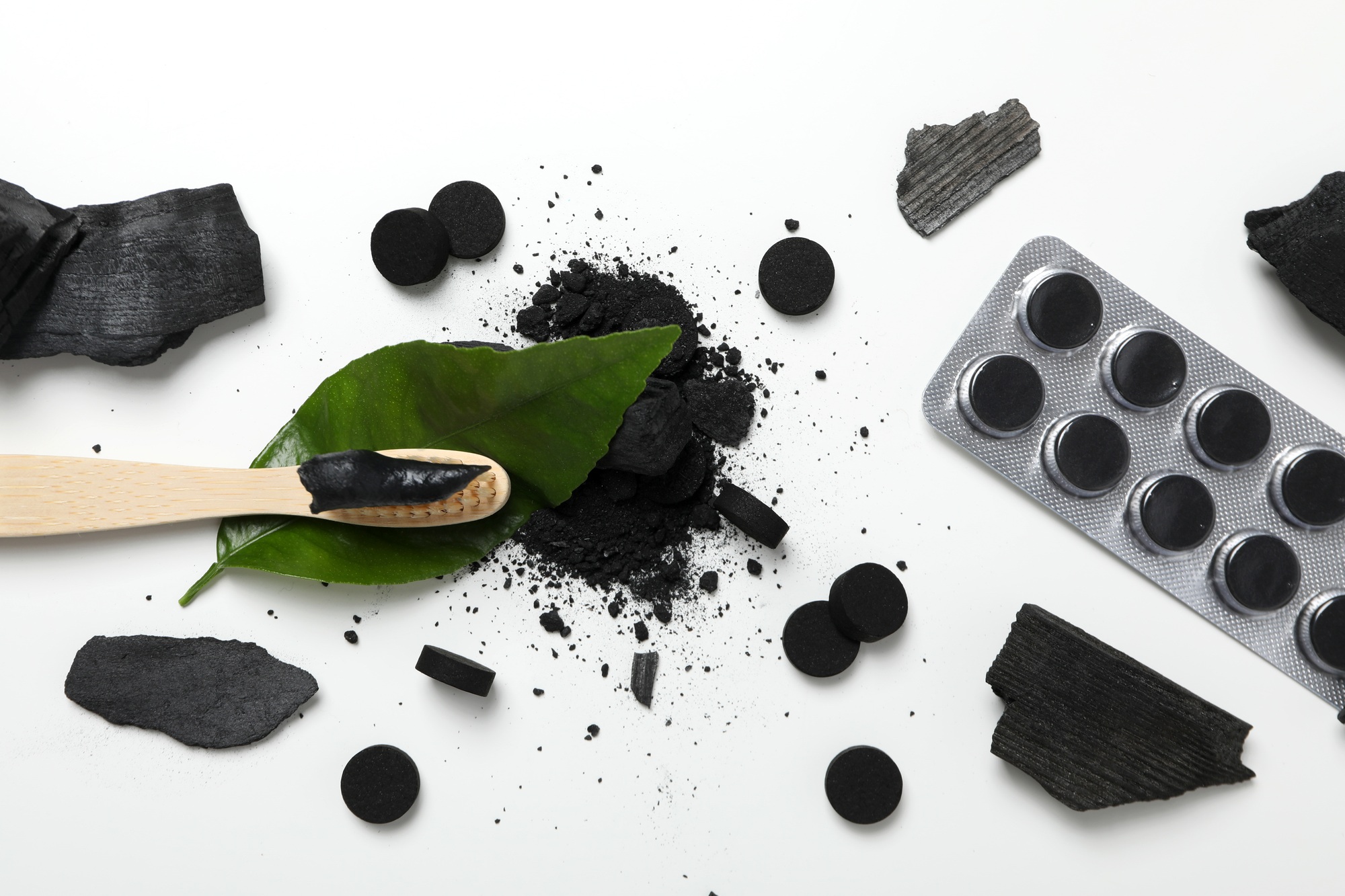

With the continuous improvement of water quality safety standards in municipal, commercial and industrial fields, efficient and eco-friendly water purification filter media have become the core foundation of water treatment systems. Among various filtration materials, coconut shell activated carbon has stood out from coal-based and wood-based activated carbon products by virtue of its unique physical and chemical properties, and has become a preferred material for residual chlorine removal, impurity adsorption and water quality optimization in modern water treatment projects.
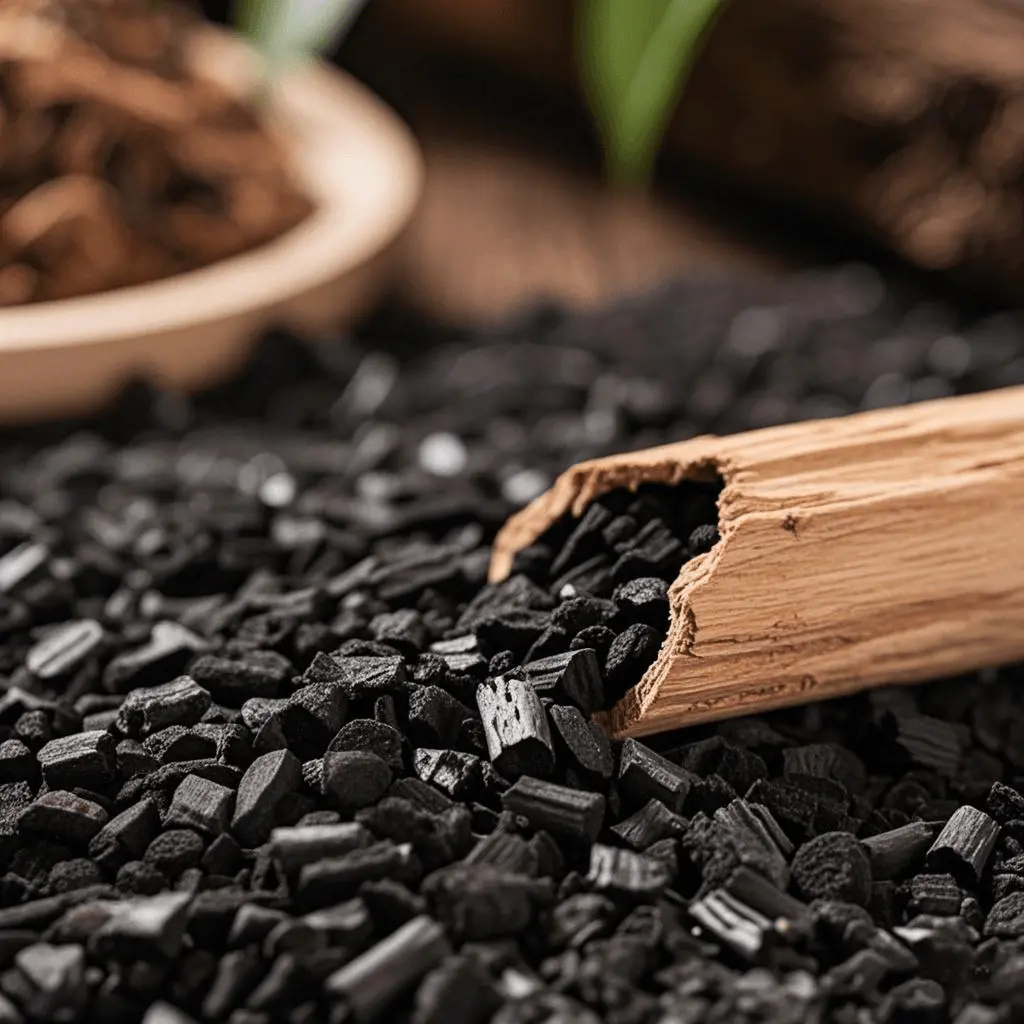
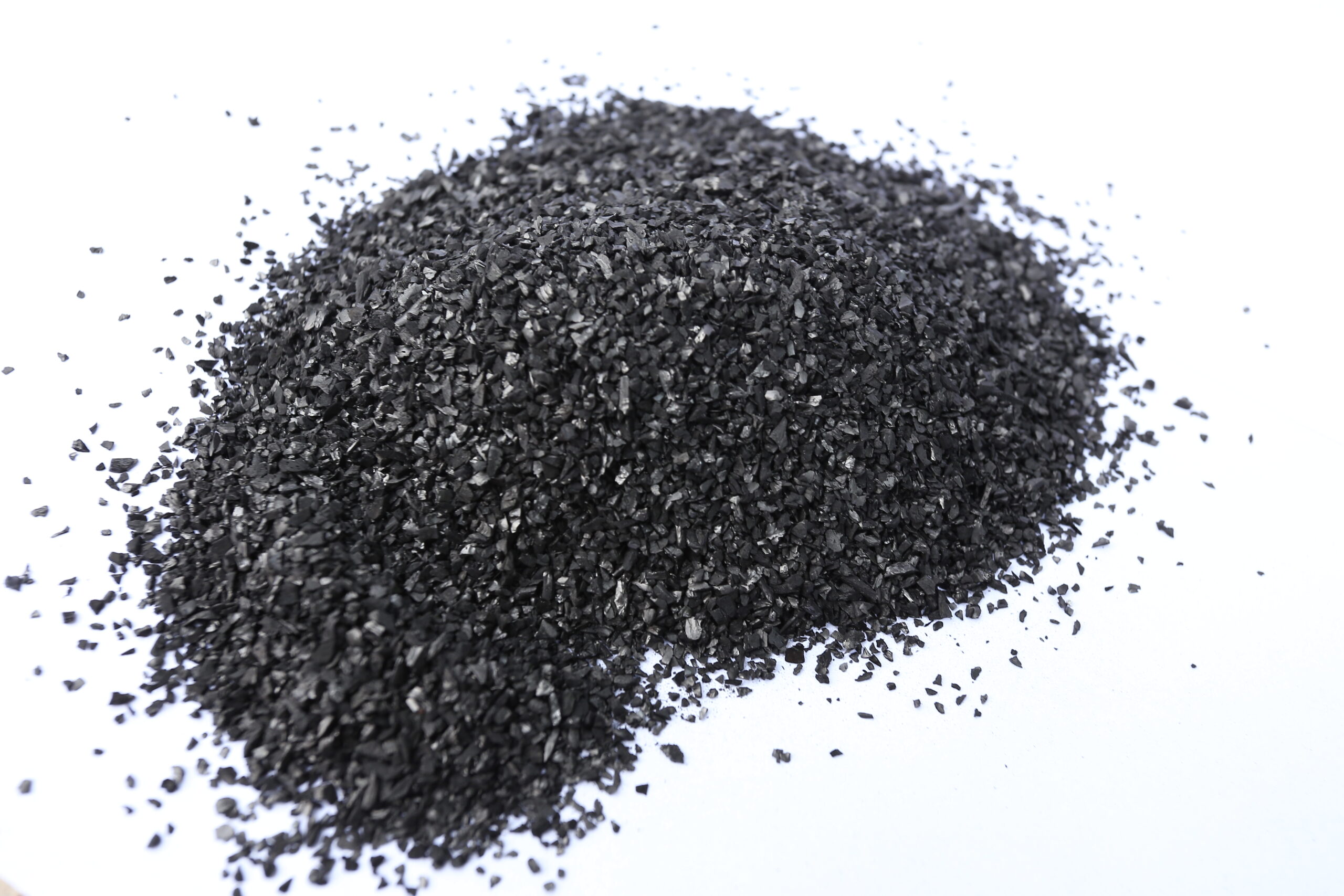
Different from traditional filter materials, high-quality coconut shell activated carbon is refined from natural coconut shell raw materials through high-temperature activation and carbonization processes. It features a developed micropore structure, large specific surface area and stable physical properties, which endows it with unparalleled advantages in water purification. Especially the 12×40 mesh specification commonly used in the water treatment industry, it balances filtration accuracy and water flow permeability perfectly, adapting to most domestic, commercial and industrial water purification scenarios.
In the whole water treatment process, coconut shell activated carbon is not a single functional filter material, but a multi-effect purification medium integrating dechlorination, deodorization, impurity removal and purification, solving multiple water quality problems in one step.
Chlorination disinfection is a conventional process for municipal tap water and circulating water, but excessive residual chlorine will lead to pungent odor in water, and produce harmful disinfection by-products, affecting drinking safety and industrial production standards. Coconut shell activated carbon with rich micropores can quickly adsorb and decompose residual chlorine in water, thoroughly remove chlorine odor, and effectively improve the taste and safety of water quality. Its dechlorination efficiency and stability are far better than ordinary coal-based activated carbon, making it the core filter material for RO pre-treatment and drinking water purification.
There are often trace organic pollutants, suspended particles, pigments and peculiar smell substances in source water and industrial circulating water. These invisible impurities will not only affect the clarity of water quality, but also cause scaling and blockage of subsequent water treatment equipment. The unique porous structure of coconut shell activated carbon forms a strong adsorption system, which can effectively capture tiny organic molecules and suspended impurities in water, reduce water turbidity, and restore clean and pure water quality.
Water treatment filter media with high ash and dust content is easy to cause secondary pollution to water body and damage downstream filtration equipment. High-quality coconut shell activated carbon has the characteristics of low ash content and low dust, with stable and firm structure. It will not produce powder falling or impurity precipitation during long-term water flushing, ensuring the cleanliness of the water outlet and meeting the high-standard water quality requirements of drinking water, food and beverage processing and other fields.
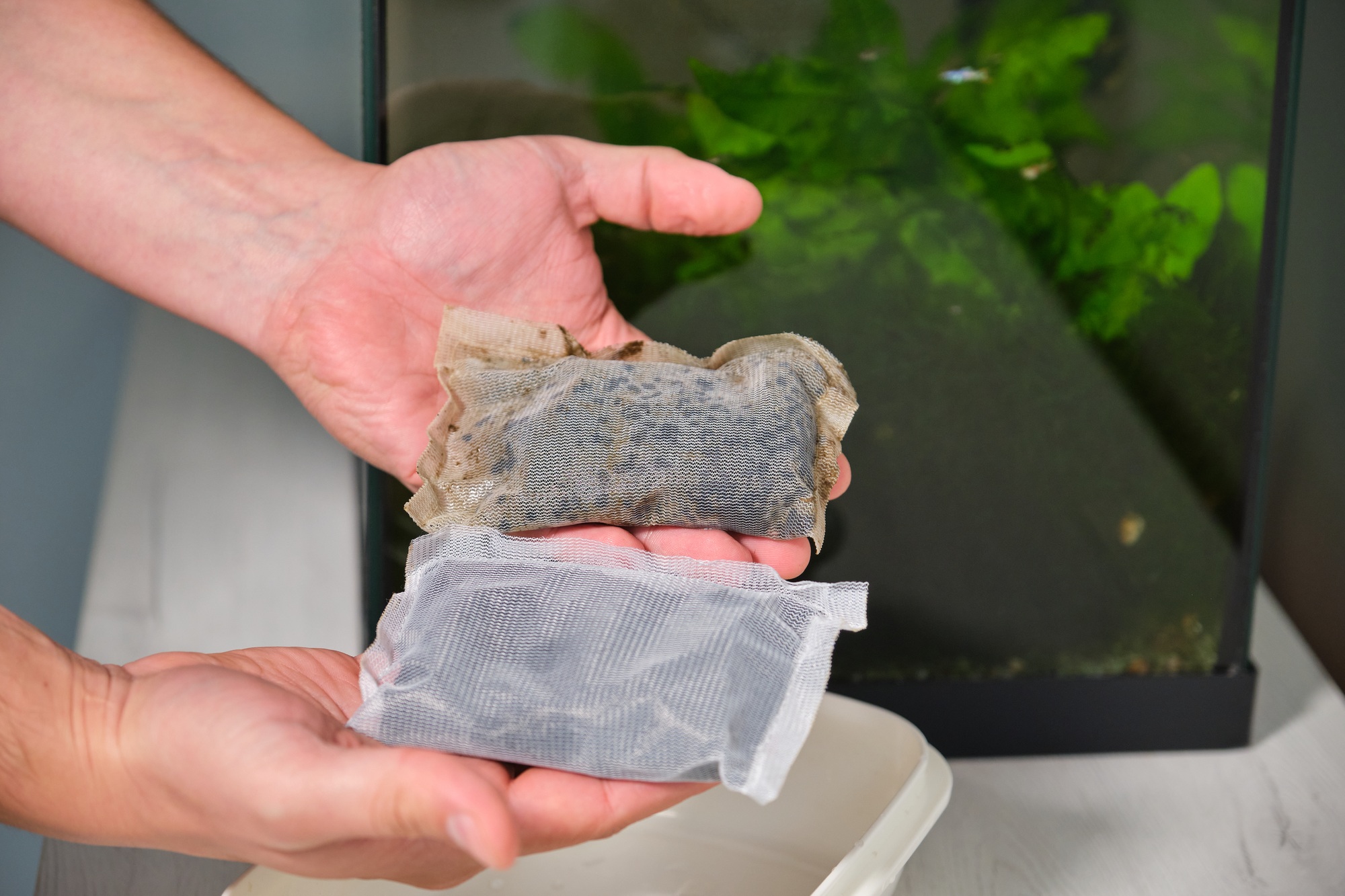
Durability is an important indicator to measure the cost performance of filter media. Coconut shell activated carbon has higher hardness and more stable structural performance than other types of activated carbon. It can maintain continuous and efficient adsorption and filtration effects in long-term water circulation operation, without frequent replacement. It effectively reduces the operation and maintenance cost of water treatment systems, and is suitable for long-term continuous operation of municipal water plants, industrial water systems and large swimming pool circulation systems.
Relying on its excellent purification performance, coconut shell activated carbon has been widely used in full-scenario water treatment fields, covering civil, commercial and industrial sectors:
Many water treatment projects will choose between coconut shell carbon and coal-based carbon. In terms of water purification effect, coconut shell activated carbon has obvious competitive advantages. Its pore structure is dominated by micropores, which is more targeted for molecular-level impurities such as residual chlorine and organic matter in water. Meanwhile, it has higher purity, no harmful substance precipitation, and more in line with environmental protection and safety standards for water contact. For high-standard water treatment scenarios with strict water quality requirements, coconut shell activated carbon is undoubtedly the more reliable long-term choice.
To meet the differentiated needs of different water treatment projects, our premium coconut shell activated carbon supports customized iodine value, hardness, moisture content and packaging specifications. Whether it is small-scale household water purification equipment or large-scale municipal and industrial water treatment projects, we can provide matched high-performance filter materials.
If you are looking for stable and efficient activated carbon materials for your water treatment projects, welcome to contact our team for free samples, detailed TDS technical data and exclusive quotations.
#ActivatedCarbon #CoconutShellActivatedCarbon #WaterTreatment #Dechlorination #ResidualChlorineRemoval #WaterPurification #ROSystemFilter #IndustrialWaterTreatment #DrinkingWaterPurification #AdsorptionMedia
WhatsApp us